


NEWS2 Score in Nursing: Calculation Chart & Escalation Protocol
100% Human Authorship Guarantee:
AssignPro Solutions provides verified, custom-researched NEWS2 Score in Nursing: Calculation Chart & Escalation Protocol. Every paper is authored by experienced postgraduate and doctoral specialists with verified Turnitin authenticity reports, unlimited revisions, and express turnaround.
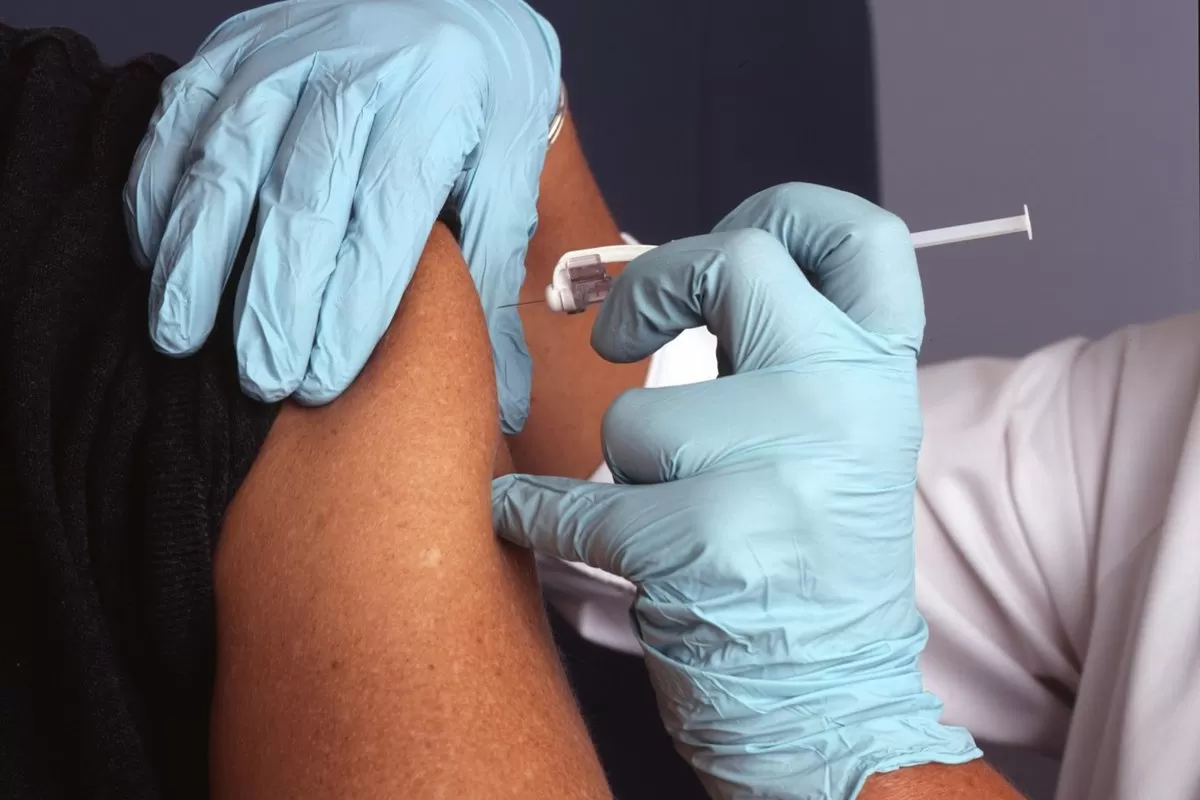
NEWS2 Score in Nursing: Calculation Chart, Escalation Protocol & Student Guide (2026)
NEWS2 Score in Nursing: Calculation Chart, Escalation Protocol & Student Guide (2026)
Direct Answer & Quick Summary: What is the NEWS2 Score in Nursing?
The National Early Warning Score (NEWS2) is the standardized clinical track-and-trigger system developed by the Royal College of Physicians (RCP) and mandated across the UK National Health Service (NHS) and international acute healthcare facilities. NEWS2 systematically scores six physiological parameters to detect early acute illness and physiological deterioration: 1. Respiration Rate, 2. Oxygen Saturations (SpO2) (featuring dedicated Scale 1 for standard patients and Scale 2 [88–92%] for patients with hypercapnic respiratory failure such as COPD), 3. Supplemental Oxygen requirement, 4. Systolic Blood Pressure, 5. Pulse Rate, 6. Consciousness Level (ACVPU scale), and 7. Temperature. Individual parameter scores range from 0 (normal) to 3 (extreme deviation), yielding an aggregated score from 0 to 20. Triggers establish clear clinical escalation pathways: Low Risk (1–4), Medium Risk (5–6 or any single red score of 3) triggering urgent ward doctor review and sepsis screening, and High Risk (≥7) mandating immediate Critical Care Outreach Team (CCOT) escalation via SBAR communication. Nurse educators and clinical tutors at AssignPro Solutions support nursing students in mastering authentic OSCE calculations, ward handovers, and distinction-grade clinical reasoning assignments.

Figure 1: Acute clinical monitoring station displaying real-time physiological telemetry, SpO2 waveforms, and vital signs parameters scored under the NEWS2 system.
Table of Contents
- 1. The Rationale Behind NEWS2: Preventing "Failure to Rescue" in Acute Healthcare
- 2. Exhaustive NEWS2 Calculation Chart: All 6 Parameters Breakdown
- 3. Demystifying SpO2 Scale 2: Managing COPD & Hypercapnic Respiratory Failure
- 4. The ACVPU Consciousness Scale: Detecting New Confusion as an Early Sepsis Sign
- 5. Clinical Escalation Protocols & Response Bands (Low, Medium, High & Red 3)
- 6. Worked Deteriorating Patient Case Study: Acute Urosepsis Calculation & SBAR Escalation
- 7. University OSCE & Clinical Assignment Marking Rubric: Distinction (80%+) vs. Pass
- 8. 5 Fatal NEWS2 Calculation Errors Nursing Students Must Avoid
- 9. Frequently Asked Questions (FAQs)
1. The Rationale Behind NEWS2: Preventing "Failure to Rescue" in Acute Healthcare
In hospital wards, cardiac arrests, emergency ICU admissions, and preventable patient deaths rarely occur without prior warning. Peer-reviewed clinical evidence confirms that up to 80% of patients exhibit measurable physiological decline for 6 to 24 hours before acute catastrophic collapse. Historically, this clinical phenomenon was termed "Failure to Rescue"—a failure by clinical staff to recognize, record, and respond to deteriorating vital signs.
NEWS2 eliminates ambiguity by providing a universal, standardized language across multidisciplinary teams. Whether a bedside nurse is handing over to a junior doctor, communicating with an on-call registrar, or transferring a patient via emergency ambulance, quoting an aggregate score of "NEWS2 of 8" instantly triggers a mandated, time-critical clinical response.
2. Exhaustive NEWS2 Calculation Chart: All 6 Parameters Breakdown
The official Royal College of Physicians NEWS2 algorithm evaluates seven clinical measurements, allocating scores of 0, 1, 2, or 3 based on deviation from physiological homeostasis:

Figure 2: Official Royal College of Physicians (RCP) NEWS2 scoring algorithm detailing physiological bands, ACVPU assessment, and clinical risk thresholds.
| Physiological Measurement | Score 3 | Score 2 | Score 1 | Score 0 | Score 1 | Score 2 | Score 3 |
|---|---|---|---|---|---|---|---|
| 1. Respiration Rate (bpm) | ≤ 8 | - | 9–11 | 12–20 | - | 21–24 | ≥ 25 |
| 2. SpO2 Scale 1 (Standard %) | ≤ 91 | 92–93 | 94–95 | ≥ 96 | - | - | - |
| 3. SpO2 Scale 2 (Hypercapnic %) | ≤ 83 | 84–85 | 86–87 | 88–92 (or ≥93 on air) | 93–94 on O2 | 95–96 on O2 | ≥ 97 on O2 |
| 4. Air or Supplemental Oxygen | - | Oxygen (Yes) [2] | - | Air (No) [0] | - | - | - |
| 5. Systolic Blood Pressure (mmHg) | ≤ 90 | 91–100 | 101–110 | 111–219 | - | - | ≥ 220 |
| 6. Pulse Rate (bpm) | ≤ 40 | - | 41–50 | 51–90 | 91–110 | 111–130 | ≥ 131 |
| 7. Consciousness (ACVPU) | - | - | - | Alert (A) | - | - | New Confusion, Voice, Pain, Unresponsive [3] |
| 8. Temperature (°C) | ≤ 35.0 | - | 35.1–36.0 | 36.1–38.0 | 38.1–39.0 | ≥ 39.1 | - |
3. Demystifying SpO2 Scale 2: Managing COPD & Hypercapnic Respiratory Failure
The introduction of SpO2 Scale 2 is the single most critical change between the original NEWS and NEWS2. In patients with chronic hypercapnic respiratory failure (most commonly Chronic Obstructive Pulmonary Disease — COPD, severe obesity hypoventilation, or cystic fibrosis), respiratory drive is regulated by hypoxic drive rather than hypercapnia.
Administering excessive high-flow oxygen to achieve a normal 98% saturation blunts their hypoxic respiratory drive, leading to acute carbon dioxide retention, respiratory acidosis, coma, and death.
Scale 2 should only be implemented upon explicit, documented prescription by a qualified medical consultant. The target saturation is 88% to 92%. Crucially, on Scale 2, if a patient is receiving supplemental oxygen and their saturation rises to ≥97%, this receives a Score 3 (red penalty) because it signals dangerous hyperoxia and carbon dioxide narcosis risk!
4. The ACVPU Consciousness Scale: Detecting New Confusion as an Early Sepsis Sign
In traditional AVPU, patients were classified as Alert (A), Voice (V), Pain (P), or Unresponsive (U). NEWS2 added "C" for New Confusion / Delirium. Any acute onset of disorientation, agitation, or delirium in an adult patient who was previously alert instantly earns a Score of 3.
In clinical practice, cerebral hypoperfusion and metabolic encephalopathy caused by early sepsis or hypoxemia frequently present as acute confusion hours before blood pressure plummets or cardiac rhythms destabilize.
5. Clinical Escalation Protocols & Response Bands (Low, Medium, High & Red 3)
Low Risk: Score 1–4
• Minimum monitoring frequency: 4–6 hourly.
• Inform registered ward nurse.
• If a single parameter scores 3 (Red 3), escalate immediately to urgent doctor review regardless of total score.
Medium Risk: Score 5–6 or Red 3
• Minimum monitoring: Hourly.
• Urgent review by FY2 / Core Trainee doctor within 30 minutes.
• Screen immediately for Sepsis (Sepsis Six Pathway).
• Initiate SBAR handover.
High / Emergency Risk: Score ≥ 7
• Continuous physiological monitoring.
• Immediate emergency call: Critical Care Outreach Team (CCOT) / MET.
• Medical registrar review within 15 minutes.
• Consider active transfer to HDU or Intensive Care Unit.
6. Worked Deteriorating Patient Case Study: Acute Urosepsis Calculation & SBAR Escalation
Clinical Scenario: Patient Assessment on Orthopedic Ward
Patient: Mrs. Margaret Davies, 74-year-old female, Day 3 post-total hip arthroplasty with an indwelling urinary catheter. During your 14:00 nursing rounds, you observe her shivering and slightly disoriented to time.
• Respiration Rate: 26 breaths/min → Score 3
• SpO2 (Scale 1): 93% on Room Air → Score 2
• Supplemental Oxygen: None (Room Air) → Score 0
• Systolic Blood Pressure: 88 mmHg → Score 3
• Pulse Rate: 118 bpm → Score 2
• Consciousness Level: New Confusion (Disoriented) → Score 3
• Temperature: 38.8 °C → Score 1
Word-for-Word SBAR Escalation Telephone Script to On-Call Registrar:
B (Background): She is a 74-year-old lady, Day 3 post-elective right hip replacement. Her baseline NEWS2 this morning was 0. Her catheter urine is visibly cloudy and malodorous.
A (Assessment): Her current vitals are RR 26, SpO2 93% on air, BP 88/52, HR 118, Temp 38.8, and she has developed acute new confusion. She meets all Red Flag Sepsis criteria secondary to suspected urosepsis.
R (Recommendation): I need an immediate doctor review within 10 minutes to initiate the Sepsis Six pathway, prescribe high-flow oxygen, blood cultures, IV broad-spectrum antibiotics, and IV fluid resuscitation."
7. University OSCE & Clinical Assignment Marking Rubric: Distinction (80%+) vs. Pass
| Grade Band | Calculation Accuracy & Parameter Mastery | Pathophysiological Understanding | Escalation & Communication Protocol |
|---|---|---|---|
| First-Class / Distinction (70–80%+) | 100% calculation accuracy across all parameters; perfect distinction between Scale 1 and Scale 2; identifies Red 3 triggers instantaneously. | Profound theoretical understanding of compensatory mechanisms (e.g., tachypnea compensating for metabolic acidosis, sympathetic tachycardia). | Flawless SBAR communication; integrates Sepsis Six bundle; documents precise monitoring intervals; exemplary OSCE bedside demeanor. |
| Upper Second / Merit (60–69%) | Correctly aggregates score, but hesitates slightly on oxygen scoring or ACVPU classification. | Explains basic vital signs deviations accurately, though physiological depth is somewhat textbook-standard. | Escalates to the doctor appropriately, but SBAR handover lacks clinical assertiveness. |
| Lower Second / Pass (50–59%) | Calculation contains minor mathematical errors; fails to recognize single Red 3 parameter trigger rule. | Superficial discussion of vital signs; confuses oxygen toxicity mechanisms in COPD patients. | Unstructured clinical communication; relies on vague handoffs without documented timestamps. |
| Fail (<50%) | Gross miscalculation of NEWS2; applies Scale 2 to non-hypercapnic patients, risking severe patient harm. | Zero comprehension of physiological deterioration; misses obvious septic shock indicators. | Fails to escalate an emergency score ≥ 7; unsafe clinical practice leading to OSCE failure. |
8. 5 Fatal NEWS2 Calculation Errors Nursing Students Must Avoid
- Forgetting to Score Supplemental Oxygen: If a patient is on 2L nasal cannula oxygen, that is automatically an additional 2 points. Forgetting this lowers the score artificially.
- The "Normal Total" Fallacy: If a patient has a total score of 3, but that 3 comes entirely from a single parameter (e.g., RR ≥ 25 or SBP ≤ 90), that is an extreme Red 3 trigger requiring immediate medical escalation!
- Inaccurate Respiration Counting: Estimating or writing "16" without physically counting chest rises for a full 60 seconds. Tachypnea is the earliest, most sensitive indicator of sepsis.
- Defaulting COPD Patients to Scale 2 Without Prescription: Never place a patient on SpO2 Scale 2 unless their medical notes confirm chronic hypercapnia and blood gases (ABGs) confirm a baseline target of 88–92%.
- Treating NEWS2 as a Replacement for Clinical Intuition: If a patient looks profoundly unwell, grey, or clammy, escalate immediately—even if their NEWS2 is only 1. Clinical judgment always supersedes the chart.
9. Frequently Asked Questions (FAQs)
Q1: Can NEWS2 be used for pediatric or pregnant patients?
No! NEWS2 is validated solely for non-pregnant adult patients aged 16 and above. Children require the Paediatric Early Warning Score (PEWS), and pregnant patients require the Modified Obstetric Early Warning Score (MEOWS) due to altered physiological baselines.
Q2: What is the Sepsis Six pathway triggered by NEWS2?
When a patient with suspected infection scores NEWS2 ≥ 5, the Sepsis Six bundle must be delivered within 1 hour: Give 3 (Oxygen to maintain saturation, IV antibiotics, IV fluids) and Take 3 (Blood cultures, serum lactate, strict fluid output monitoring via catheter).
Q3: How does AssignPro Solutions support nursing clinical assignments?
Our registered nurse educators provide 1-on-1 OSCE calculation coaching, clinical reasoning case study reviews, Gibbs/Driscoll reflective mentoring, and Turnitin-compliant assignment proofreading. Learn more at AssignPro Solutions.
Clinical Academic Mentoring: When analyzing complex deteriorating patient scenarios, OSCE calculation stations, or care planning rubrics for university submission, get 100% human-crafted support from our clinical tutors via Nursing Assignment Help Online.
Nursing Clinical Assessment & Escalation Series
Master acute nursing practice, OSCE station calculations, and distinction-level clinical reasoning with our interconnected student guides and professional academic support:
Nursing Assignment Help Online →
100% human-authored care plans, pharmacology case studies, and reflective clinical portfolios.
ABCDE Assessment Protocol →
Systematic airway, breathing, circulation, disability, and exposure emergency management.
SBAR Communication Tool →
Clinical handover scripts, telephone escalation protocols, and doctor communication models.
Healthcare & Nursing Coursework Mentoring →
Specialized undergraduate and postgraduate nursing assignment support with Turnitin verification.