


Waterlow Scale in Nursing: Calculation Chart, Risk Bands & Guide (2026)
100% Human Authorship Guarantee:
AssignPro Solutions provides verified, custom-researched Waterlow Scale in Nursing: Calculation Chart, Risk Bands & Guide (2026). Every paper is authored by experienced postgraduate and doctoral specialists with verified Turnitin authenticity reports, unlimited revisions, and express turnaround.
Waterlow Scale in Nursing: Calculation Chart, Risk Bands & Guide (2026)
Direct Answer & Quick Summary: What is the Waterlow Scale in Nursing?
The Waterlow Pressure Ulcer Risk Assessment Scale, designed by clinical nurse Judy Waterlow in 1985 and revised for contemporary acute healthcare, is the primary clinical risk assessment tool utilized across the UK National Health Service (NHS) and international healthcare systems to predict pressure injury vulnerability. The tool evaluates 11 distinct physiological and clinical domains: Build/Weight for Height (BMI), Visual Skin Type, Sex/Age, Continence, Mobility, Appetite/Nutritional Intake, and Special Risks (Tissue Malnutrition, Neurological Deficit, Major Surgery/Trauma, and High-Risk Medication). Cumulative scores determine mandated preventative pathways: 10–14 (At Risk), 15–19 (High Risk), and 20+ (Very High Risk). Scoring mandates the immediate implementation of the evidence-based SSKIN Care Bundle: Surface (dynamic alternating mattress), Skin Inspection (daily sacral and heel checks), Keep Moving (2–4 hourly repositioning), Incontinence (barrier films), and Nutrition/Hydration. Nurse educators at AssignPro Solutions Nursing Assignment Help mentor student nurses in scoring complex geriatric cases and drafting distinction-grade (80%+) nursing care plans.

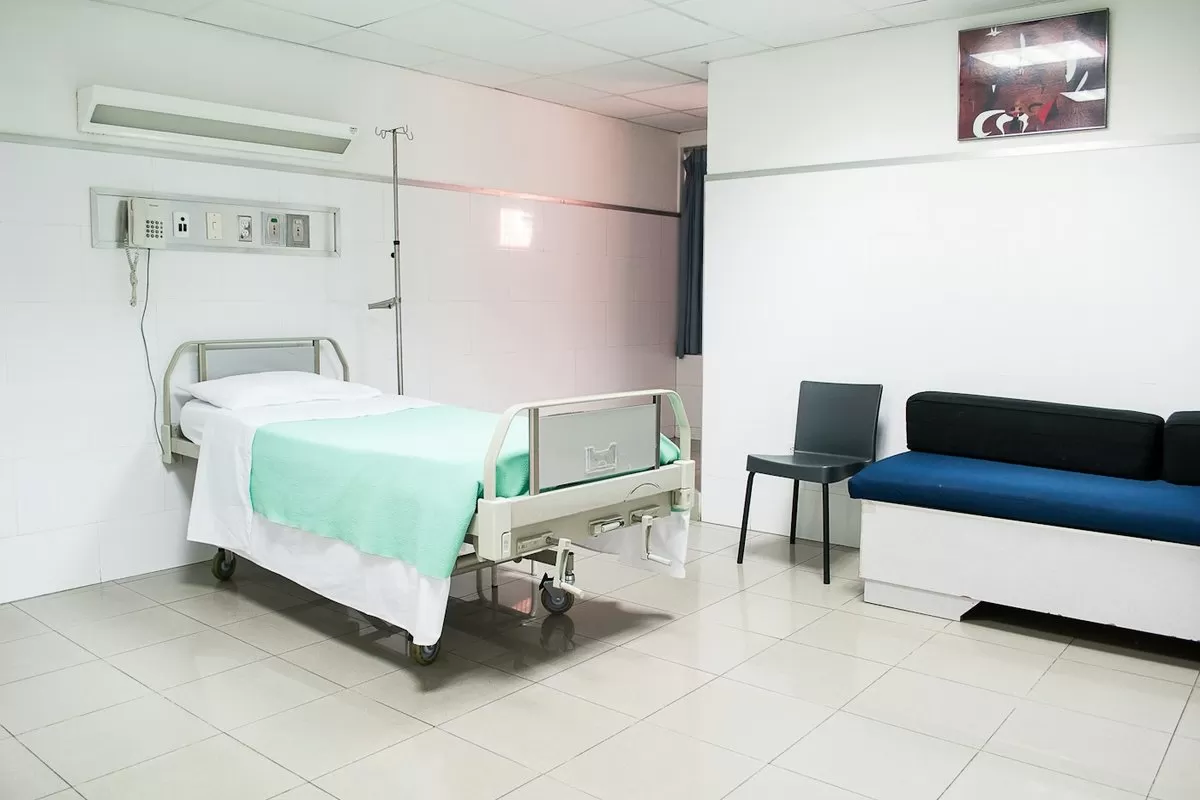
Figure 1: Clinical nursing station with tissue viability assessment records, pressure relieving equipment specifications, and Waterlow documentation charts.
Table of Contents
- 1. Clinical Rationale: Pathophysiology of Pressure Ulcers & Hospital-Acquired Harm
- 2. Exhaustive Waterlow Calculation Chart: All 11 Risk Domains Breakdown
- 3. The SSKIN Care Bundle: Evidence-Based Nursing Prevention Protocol
- 4. EPUAP / NPUAP Pressure Injury Staging (Category 1 to 4)
- 5. Worked Geriatric Case Study: Post-Op Neck of Femur Fracture Calculation & Care Plan
- 6. Waterlow vs Braden Scale: Comparative Analysis for Nursing Assignments
- 7. University OSCE & Assignment Marking Rubric: Distinction (80%+) vs Pass vs Fail
- 8. 5 Fatal Waterlow Calculation Errors Nursing Students Must Avoid
- 9. Frequently Asked Questions (FAQs)
1. Clinical Rationale: Pathophysiology of Pressure Ulcers & Hospital-Acquired Harm
Pressure injuries (also known as decubitus ulcers, bedsores, or pressure sores) represent localized damage to the skin and underlying subcutaneous tissue, usually over a bony prominence (such as the sacrum, greater trochanter, calcaneus/heels, or ischial tuberosities). Pathophysiologically, they develop when sustained external mechanical pressure exceeds capillary closing pressure (approximately 32 mmHg), resulting in microvascular occlusion, local tissue ischemia, cellular hypoxia, metabolic waste accumulation, and irreversible necrosis.
In hospital settings, developing a hospital-acquired pressure ulcer (HAPU) is designated as a “Never Event” or serious clinical incident. Over 95% of pressure ulcers are preventable with timely risk identification and systematic barrier implementation. The Waterlow scale provides an early predictive scoring tool, alerting the multidisciplinary team before visible erythema occurs.

Figure 2: Waterlow risk calculation thresholds and the 5-point SSKIN evidence-based preventative nursing care bundle.
2. Exhaustive Waterlow Calculation Chart: All 11 Risk Domains Breakdown
The Waterlow tool systematically allocates numerical points across seven baseline categories and four ‘Special Risk’ categories:
| Assessment Category | Clinical Parameters & Sub-Classifications | Score Points |
|---|---|---|
| 1. Build / Weight for Height (BMI) | Average (BMI 20–24.9) Above Average (BMI 25–29.9) Obese (BMI ≥ 30) Below Average (BMI < 20) |
0 1 2 3 |
| 2. Visual Skin Type & Risk Areas | Healthy Tissue paper / Paper-thin Dry Oedematous Clammy / pyrexial Discoloured / non-blanching erythema (Category 1) Broken / existing ulcer (Category 2–4) |
0 1 1 1 1 2 3 |
| 3. Sex and Age | Male (14–49) Female (14–49) Age 50–64 Age 65–74 Age 75–80 Age 81+ |
1 2 2 3 4 5 |
| 4. Continence | Complete / catheterised Occasional incontinence (urine or faeces) Catheterised / incontinent of faeces Doubly incontinent (urine and faeces) |
0 1 2 3 |
| 5. Mobility | Fully mobile Restless / fidgety Apathetic Restricted (walks with assistance) Bedbound / traction Chairbound (wheelchair dependent) |
0 1 2 3 4 5 |
| 6. Appetite / Nutritional Intake | Average (eats full meals) Poor (leaves >50% of meals) NG tube / TPN / Fluids only Anorexic / NPO (Nil by mouth) |
0 1 2 3 |
| 7. Special Risk: Tissue Malnutrition | Terminal cachexia Multiple organ failure Single organ failure (respiratory, renal, cardiac) Peripheral vascular disease (severe PVD) Anaemia (Hb < 80 g/L) Smoking history |
8 8 5 5 2 1 |
| 8. Special Risk: Neurological Deficit | Diabetes / CVA / Motor sensory deficit / Paraplegia | 4 to 6 |
| 9. Special Risk: Surgery / Trauma | Orthopaedic / spinal surgery below waist On operating table > 2 hours On operating table > 6 hours |
5 5 8 |
| 10. Special Risk: Medication | High-dose steroids / Cytotoxics / Anti-inflammatories | 4 |
3. The SSKIN Care Bundle: Evidence-Based Nursing Prevention Protocol
A Waterlow calculation is useless without corresponding clinical action. Mandated by NHS England and tissue viability guidelines, every patient scoring ≥ 10 must have the 5-element SSKIN Care Bundle initiated immediately:
- S — Surface: Match support surface to risk band. Score 10–14: High-specification foam mattress; Score 15–19: Alternating pressure dynamic air mattress; Score 20+: Continuous low-pressure dynamic air mattress with powered heel relief.
- S — Skin Inspection: Perform baseline visual inspection within 6 hours of admission. Document blanching status of sacrum, heels, ischial tuberosities, and elbows at least twice daily.
- K — Keep Moving: Implement scheduled repositioning charts (2-hourly for bedbound patients, 1-hourly for chairbound patients). Utilize the 30-degree tilt position to relieve direct sacral and trochanteric pressure.
- I — Incontinence / Moisture: Apply moisture-barrier film (e.g. Cavilon) after every incontinent episode. Utilize pH-balanced cleansers; avoid vigorous rubbing which causes shear friction.
- N — Nutrition & Hydration: Complete MUST (Malnutrition Universal Screening Tool) assessment. Provide high-protein oral nutritional supplements (ONS), optimize hydration, and refer to clinical dietitian if score ≥ 2.
4. EPUAP / NPUAP Pressure Injury Staging (Category 1 to 4)
| Category / Stage | Clinical Description | Clinical Hallmark |
|---|---|---|
| Category 1 | Intact skin with non-blanchable erythema of a localized area, usually over a bony prominence. | Skin does not turn white when finger pressure is applied. |
| Category 2 | Partial-thickness skin loss involving epidermis and dermis. Presents as a shallow open ulcer or intact/ruptured serum-filled blister. | Red-pink wound bed without slough or bruising. |
| Category 3 | Full-thickness tissue loss. Subcutaneous fat may be visible, but bone, tendon, and muscle are NOT exposed. Slough may be present. | Subcutaneous depth visible; possible undermining or tunneling. |
| Category 4 | Full-thickness tissue loss with exposed bone, tendon, joint capsule, or muscle. Slough or eschar often present. | Osteomyelitis risk; deep cavitation and extensive necrosis. |
5. Worked Geriatric Case Study: Post-Op Neck of Femur Fracture Calculation & Care Plan
Patient Clinical Profile:
Mrs. Beatrice Holloway, 83-year-old female, admitted following a mechanical fall resulting in a fractured right neck of femur (#NOF). She underwent dynamic hip screw (DHS) fixation under general anesthesia (operative time: 2 hours 15 minutes). Pre-admission weight: 46 kg, height: 158 cm (BMI 18.4 – Below Average). Past medical history includes Type 2 Diabetes, mild dementia, and osteopenia. Currently bedbound with right leg pain, catheterized, taking regular oral prednisolone 10 mg daily for rheumatoid arthritis. Her sacral skin is dry and paper-thin with blanching erythema over both heels.
Step-by-Step Waterlow Calculation:
- 1. Build / Weight for Height: BMI 18.4 (<20 Below Average) = 3 Points
- 2. Visual Skin Type: Paper-thin / dry skin = 1 Point
- 3. Sex & Age: Female, Age 83 = 5 Points
- 4. Continence: Catheterized = 0 Points
- 5. Mobility: Bedbound post-surgery = 4 Points
- 6. Appetite: Poor (eating <50% due to nausea) = 1 Point
- 7. Special Risk – Tissue Malnutrition: Anaemia post-op (Hb 82 g/L) = 2 Points
- 8. Special Risk – Neurological: Type 2 Diabetes / peripheral neuropathy = 4 Points
- 9. Special Risk – Surgery / Trauma: Orthopaedic surgery below waist + operating time >2 hrs = 5 Points
- 10. Special Risk – Medication: Long-term systemic steroids (Prednisolone) = 4 Points
Mandatory Clinical Actions: Upgrade immediately to high-specification active dynamic alternating air mattress, off-load heels with specialized suspension boots (Prevalon boots), 2-hourly strict repositioning chart with 30-degree tilt, tissue viability nurse referral, high-protein nutritional supplementation, and twice-daily sacral skin audits.
6. Waterlow vs Braden Scale: Comparative Analysis for Nursing Assignments
| Parameter | Waterlow Scale (Judy Waterlow) | Braden Scale (Barbara Braden) |
|---|---|---|
| Primary Adoption | United Kingdom (NHS Trusts), Australia, New Zealand. | United States, Canada, International Research Trials. |
| Number of Domains | 11 domains (incorporates surgery, medication, and organ failure). | 6 domains (Sensory, Moisture, Activity, Mobility, Nutrition, Friction/Shear). |
| Scoring Mechanics | Direct Scoring: Higher score = Higher clinical risk (10 to 30+). | Inverse Scoring: Lower score = Higher clinical risk (6 to 23). |
| Sensitivity vs Specificity | Very high sensitivity (identifies almost all at-risk patients, but may over-predict). | Higher specificity (fewer false positives, but may under-predict surgical risk). |
7. University OSCE & Assignment Marking Rubric: Distinction (80%+) vs Pass vs Fail
| Grading Dimension | Distinction (80%+) | Credit / Pass (60–74%) | Fail (<50%) |
|---|---|---|---|
| Calculation Precision | Calculates BMI exactly; correctly captures all 4 special risk categories (surgery, meds, diabetes); arrives at exact mathematical score. | Calculates baseline points accurately; omits 1 special risk factor (e.g. steroid medication); score slightly understated. | Fails to calculate BMI; ignores major surgery or diabetes; mathematical calculation incorrect by >5 points. |
| SSKIN Implementation | Provides granular, evidence-based interventions for all 5 SSKIN letters; specifies exact mattress models and repositioning tilt degrees. | Mentions SSKIN bundle generally; states ‘reposition patient’ without specifying 2-hourly frequency or heel elevation. | Omits SSKIN bundle; provides vague generic advice (“keep patient comfortable”); ignores tissue viability protocols. |
| Doctrinal & EBP Literature | Synthesizes NICE guidelines (CG179), EPUAP pressure ulcer definitions, and recent Cochrane systemic reviews on alternating surfaces. | References general nursing textbooks and local hospital trust policy; limited critique of preventative equipment efficacy. | Zero evidence-based citations; relies on subjective unsubstantiated opinions. |
8. 5 Fatal Waterlow Calculation Errors Nursing Students Must Avoid
- 1. Forgetting the ‘Special Risks’ Categories: Students frequently score only the first 6 categories on the chart, completely overlooking surgery duration, steroid medications, or diabetic neuropathy.
- 2. Confusing Non-Blanchable Erythema (Category 1) with Normal Skin: Scoring a red patch that does not turn white under pressure as 0 instead of 2 points compromises patient safety.
- 3. Assuming Catheterization Means Continence: If a patient has an indwelling catheter but is incontinent of faeces, they must be scored 2 points, not 0.
- 4. Static One-Off Assessment: Waterlow is not a one-time admission task. It must be recalculated whenever the clinical situation changes (e.g. returning from theatre or developing sepsis).
- 5. Failing to Off-Load the Calcaneus (Heels): The heel is the second most common pressure injury site in elderly orthopaedic patients. An alternating air mattress does NOT eliminate the need for specialized heel-suspension boots.
9. Frequently Asked Questions (FAQs)
Q1: How often should the Waterlow Scale be repeated in acute hospital wards?
Under NICE guidelines and NHS Trust policy, a Waterlow assessment must be completed within 6 hours of admission, repeated at least weekly for stable patients, and recalculated immediately following any significant clinical change (e.g., return from surgery, acute transfer, or deterioration).
Q2: What is the difference between blanching and non-blanching erythema?
Blanching erythema turns pale when light finger pressure is applied and returns to red upon release (indicating intact microvascular refill). Non-blanching erythema remains red under pressure, confirming microvascular thrombosis and defining Category 1 pressure injury.
Q3: How does AssignPro Solutions support nursing students with tissue viability coursework?
Our registered nurse educators and academic specialists assist students with complex Waterlow scoring calculations, wound care staging reflections, Roper-Logan-Tierney nursing models, and distinction-grade care plan authoring. Visit our Nursing Assignment Help or request custom care plan mentoring.